

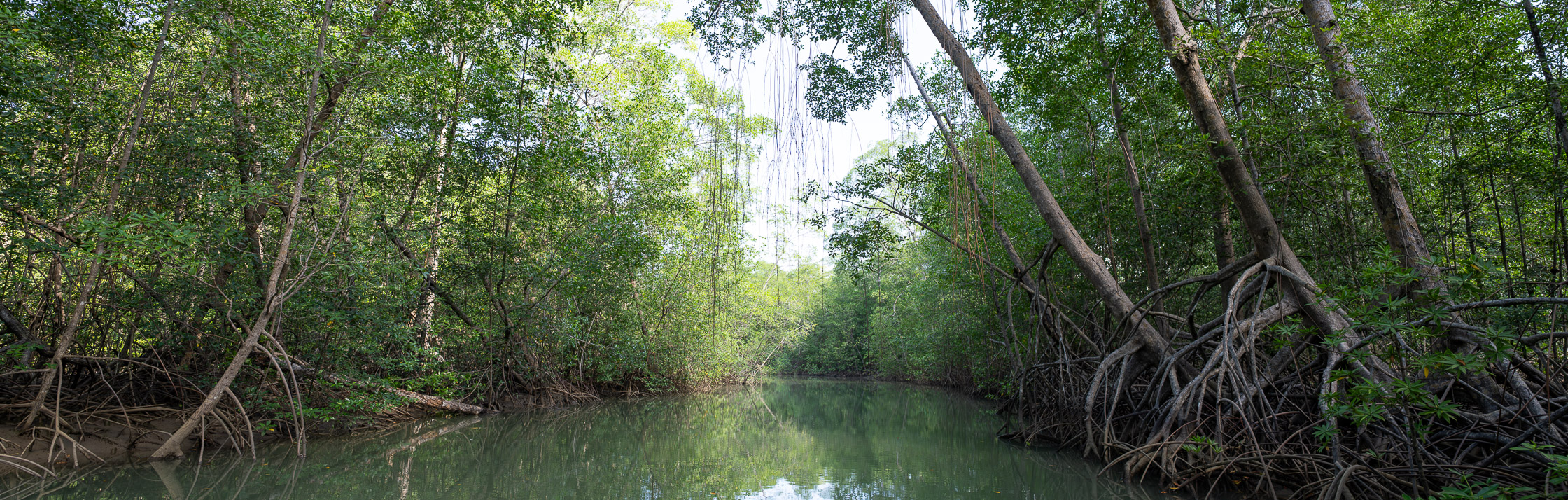
Damas Island Mangroves
Nature’s Coastal Sanctuary
Coastal plants possess remarkable adaptations to thrive in harsh, windswept environments. In Costa Rica, these «Manglares» act as vital zones where tides mix fresh and salt water. These woody plants have developed unique physiological mechanisms to tolerate high salt concentrations and unstable soils, creating a fascinating «amphibious» forest.
A Vital Wildlife Corridor
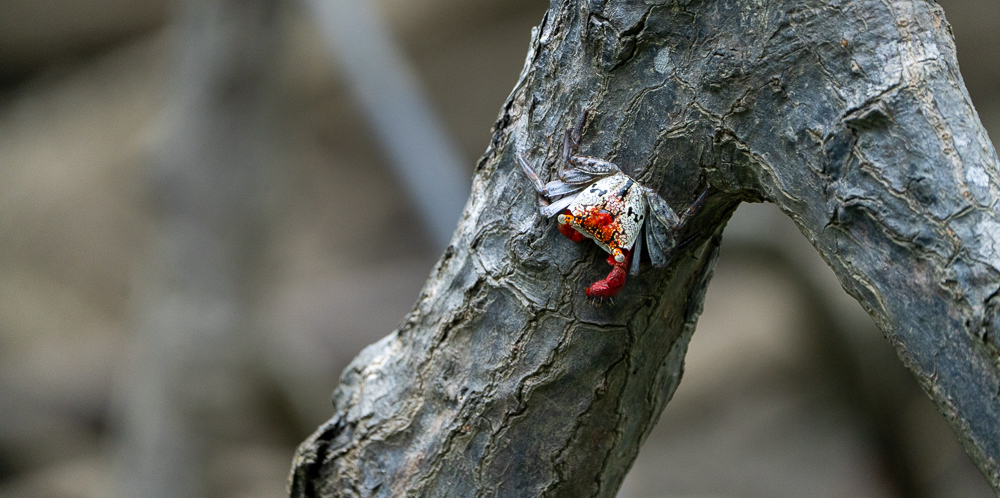
The vast coastal corridor between Quepos and Parrita is a crucial feeding and roosting area for resident and migratory birds. It also serves as a protected nursery for various species:
Exploring the Hidden Canals
Explore one of the largest protected mangrove areas in the Central Pacific. Our comfortable **15-passenger boat** or **kayaks** allow for a silent and smooth journey through calm waters, perfect for wildlife photography.
- Expert Interpretation: Learn about this complex biological community from our professional guides.
- Tide Optimized: Departure times are scheduled according to high tide for the best navigation experience.
- Refreshments: Enjoy complimentary fresh local fruits and drinks on-site.