

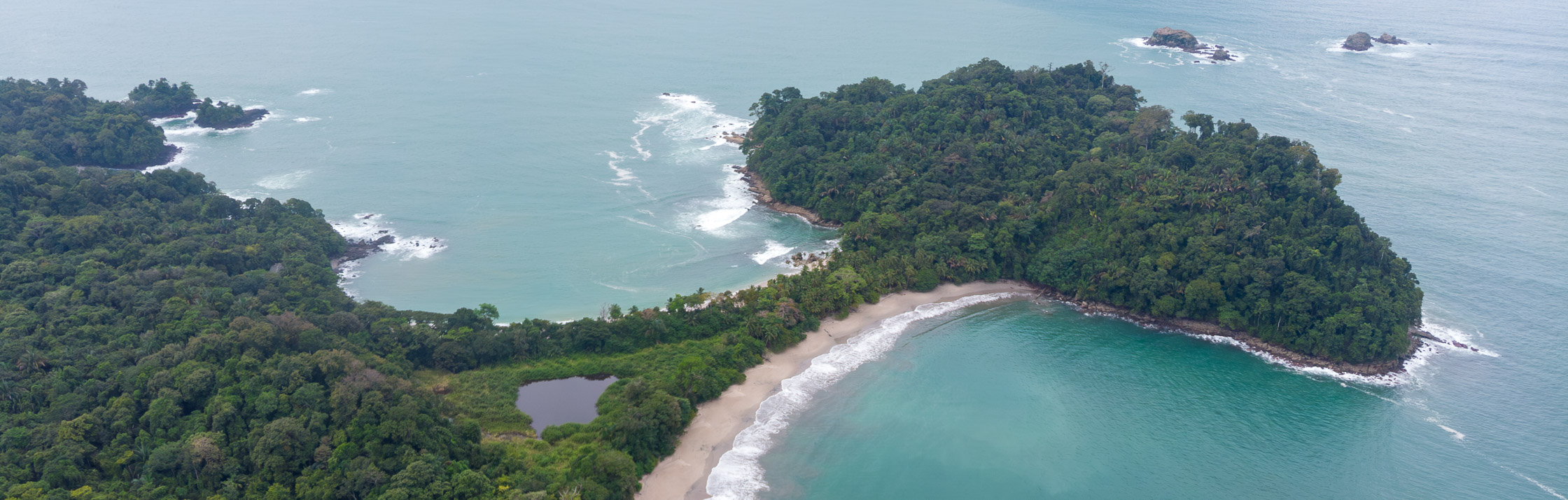
Manuel Antonio National Park
Info, services and recommendations
Manuel Antonio National Park is one of Costa Rica’s smallest but most-visited national parks, celebrated for its unique combination of rainforest, diverse wildlife, and stunning beaches. Its compact size makes it highly accessible, but advance planning is essential. A network of well-maintained trails winds through the rainforest, offering panoramic ocean views and wildlife spotting opportunities.
⚠️ Be aware of scams: Avoid individuals offering unofficial parking or tours outside the park. Rely only on official services.
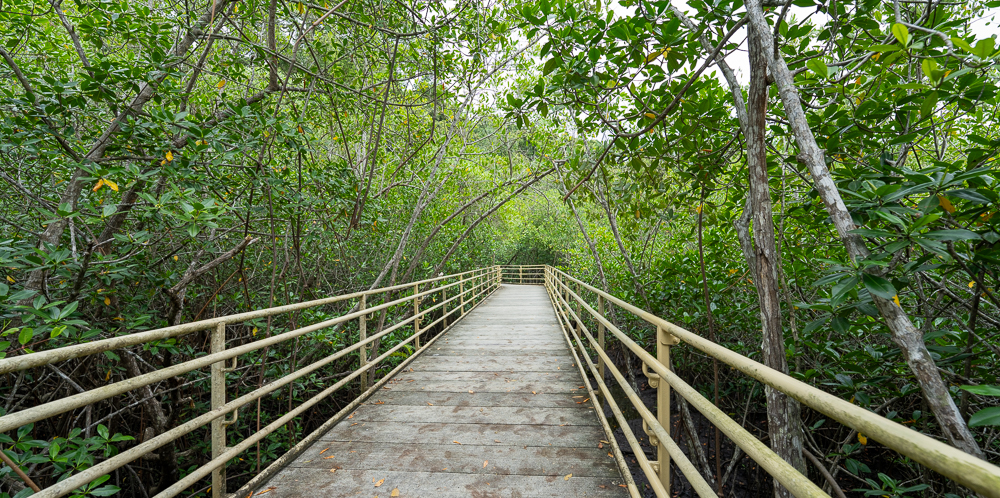
Visitor Guidelines
To ensure a safe visit, please follow these SINAC (National System of Conservation Areas) guidelines:
For your safety:
- The Manzanillo Tree is toxic. Do not touch it or stay in its shade.
- Stay on designated paths. Proper footwear is essential.
- Take care of your belongings at all times.
Respect for nature:
- Do not feed the animals. It harms their health and behavior.
- Leave no trace. Do not leave any garbage behind.
- Minimize noise. Respect the natural ecosystem.
* Restrooms, showers, and changing rooms are available on-site.
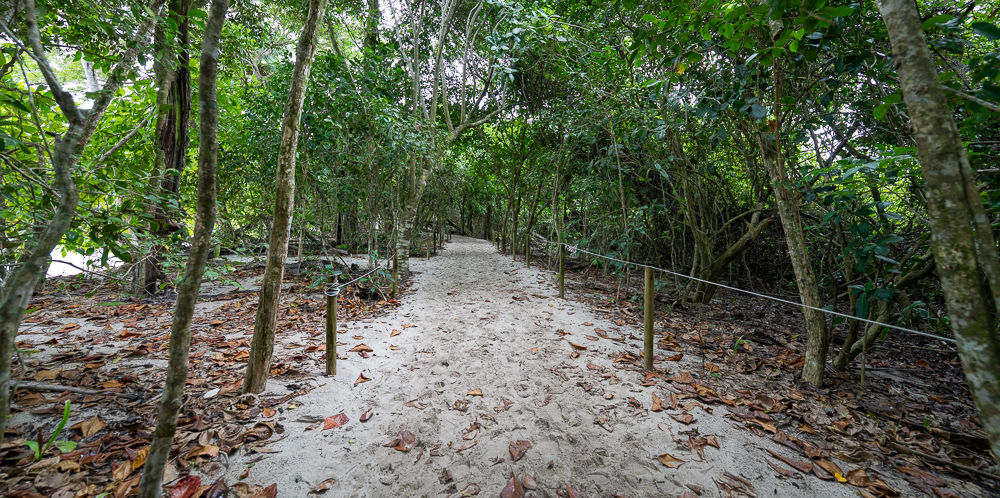
Primary Beaches
Known for white sands and turquoise waters, these beaches are steps away from the rainforest:
- Playa Manuel Antonio (#3): Perfect horseshoe cove with calm waters, ideal for snorkeling.
- Playa Espadilla Sur (#2): Wider and typically less crowded, offering more shade.
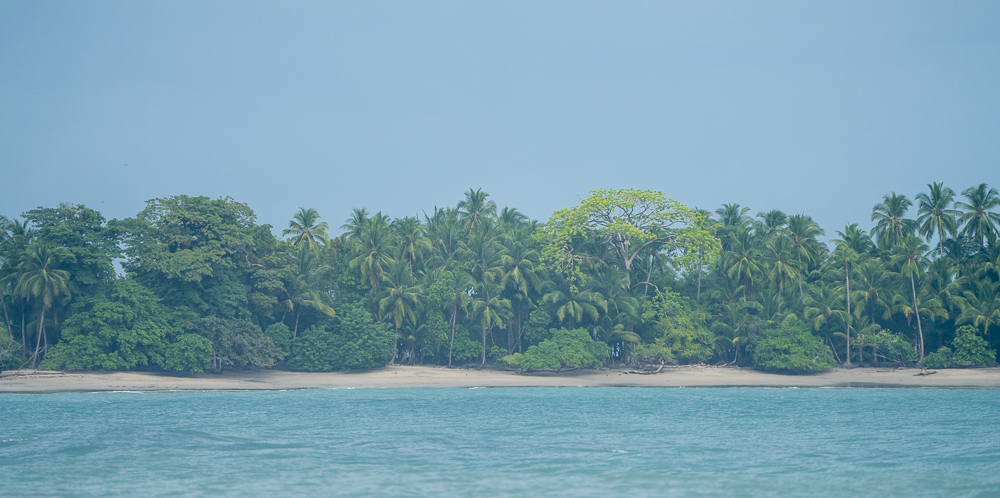
This park is a sanctuary for species like the endangered Central American squirrel monkey (Saimiri oerstedii citrinellus). Our 3-Hour Nature Hike offers an immersive experience with professional spotting scopes and local experts certified guides.
Both regular group and private tours are available
Book This Tour